The American School: Aggression, Storytelling, and Table Image
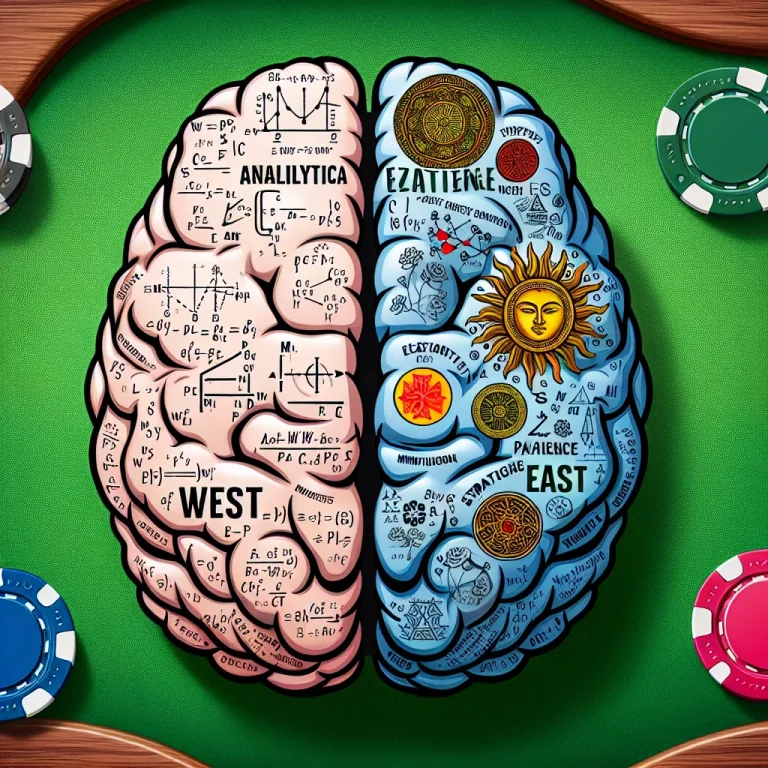
The foundational American poker strategy, born in the cash games of Las Vegas and the tournaments of the WSOP, is built on a triad of aggression, narrative control, and cultivated table image. American pros historically viewed the poker table as a stage for psychological dominance. The core tenet is initiative: the player who bets first controls the story of the hand. This led to the widespread adoption of loose-aggressive (LAG) styles, where players enter many pots and apply constant pressure through bets and raises. This aggression is not mindless; it’s a tool for crafting a “table image” that can be manipulated. A player might build an image as a reckless maniac to later win a huge pot with a monster hand, or project tightness to make a bold bluff more credible. American strategy heavily incorporates “storytelling”—making each bet and action consistent with a plausible hand narrative to confuse opponents. This style values adaptability and the ability to “change gears” dramatically. It is a holistic approach where math informs psychology, but the human element—the read, the timing, the feel—is often given the final say, reflecting the individualistic and entrepreneurial spirit of its origin culture.
The European Method: Mathematical Rigor and Range-Based Theory
In contrast to the American psychological theater, the dominant European strategy, particularly from Northern and Western Europe, is rooted in mathematical rigor and a systematic, range-based approach to the game. Influenced by early theorists like David Sklansky and later empowered by online poker databases and solvers, European players treat poker as a complex optimization problem. The focus is on constructing and analyzing ranges—the spectrum of hands a player could have in a given situation—rather than fixating on a single “made hand.” Decisions are framed in terms of frequencies and expected value (EV). Bluffing is not a dramatic act but a mathematically necessary component of a balanced strategy, executed at the correct frequency to make one’s betting range unexploitable. This style is often more reserved and consistent at the table, prioritizing long-term profitability over winning specific pots. Emotional tells are minimized; the goal is to become a “poker robot” executing a near-optimal strategy. This methodical, data-driven philosophy mirrors the European educational emphasis on mathematics and engineering, producing players who are formidable technicians of the game, often dominating online leaderboards and high-stakes cash games where volume and precision are paramount.
The Asian Discipline: Patience, Precision, and Exploitative Timing
Asian poker strategy, drawing from cultural philosophies like Confucianism and Sun Tzu’s “The Art of War,” emphasizes patience, positional mastery, and explosive, well-timed aggression. The archetypal Asian pro is a master of fold equity, understanding that survival and capital preservation are prerequisites for victory. This leads to a generally tighter pre-flop strategy, waiting for strong starting hands or superior positional advantage. However, this patience is not passive. It is a calculated gathering of information and timing. When the moment is right—often in late position against a perceived weakness—the aggression is total and decisive. The strategy is highly exploitative, focused on identifying specific opponent mistakes (leaks) and punishing them with maximum effect. Concepts like “face” and social hierarchy translate into a deep respect for position; playing out of position is seen as a significant disadvantage to be avoided. The Asian style also incorporates a profound level of emotional and physical discipline, the famous “poker face” being a tool to conceal not just hand strength, but one’s entire strategic framework. This approach turns poker into a game of strategic patience, where opportunities are not forced but identified and then seized with overwhelming force.
The Latin American Flame: Theatricality, Dynamic Adjustments, and Heart
The Latin American strategic approach is perhaps the most dynamically human and theatrical. While understanding modern theory, players from Brazil, Mexico, Argentina, and beyond often integrate a high degree of table talk, dramatic gesture, and emotional manipulation into their strategy. The goal is to create a chaotic, emotionally charged table dynamic that can fluster opponents and obscure one’s true intentions. Bluffing is performed with “corazón” (heart), often in large, dramatic spots designed to tell a compelling story or to capitalize on a perceived moment of opponent weakness or fatigue. This style is highly adaptive and observant, focusing on live reads and behavioral tells as much as betting patterns. Latin American players are often masters of dynamic adjustment, changing their style radically based on the specific opponents at the table rather than adhering to a static, GTO-inspired plan. There is a strong emphasis on post-flop play and hand-reading, with a willingness to make creative, unconventional plays that pure theorists might deem sub-optimal but that work in the specific human context of the game. This strategy views poker as a social, psychological contest first, where momentum and table control are vital currencies.
The Online Global Melting Pot: The Rise of the Hybrid Grinder
The Synthesis Era: Blending Philosophies for Modern Dominance
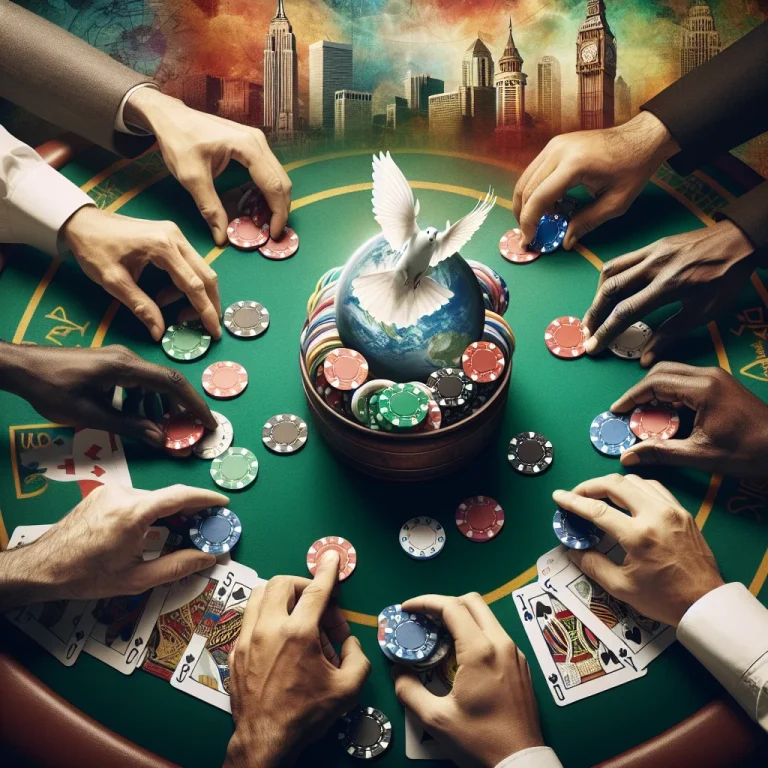
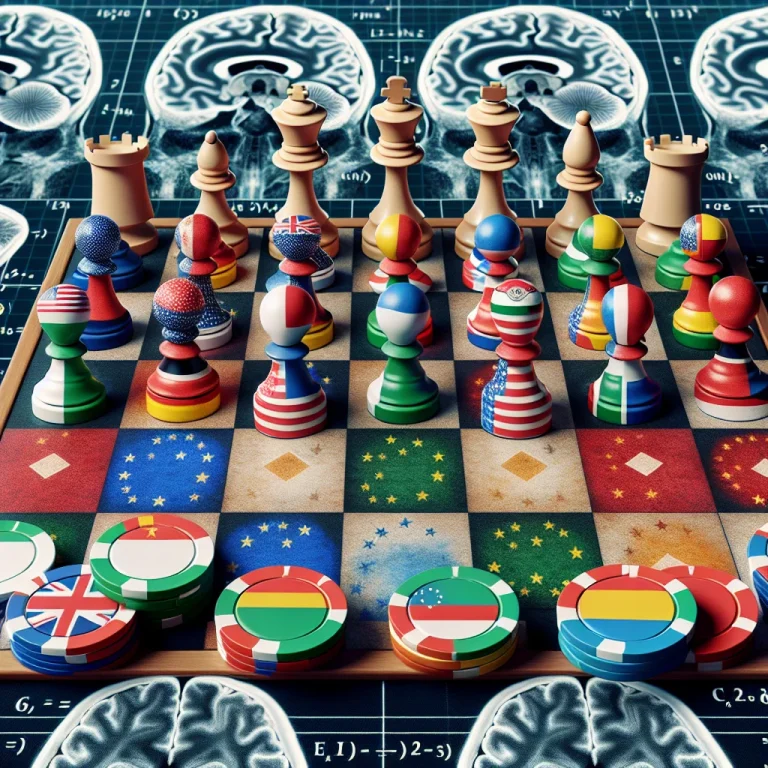
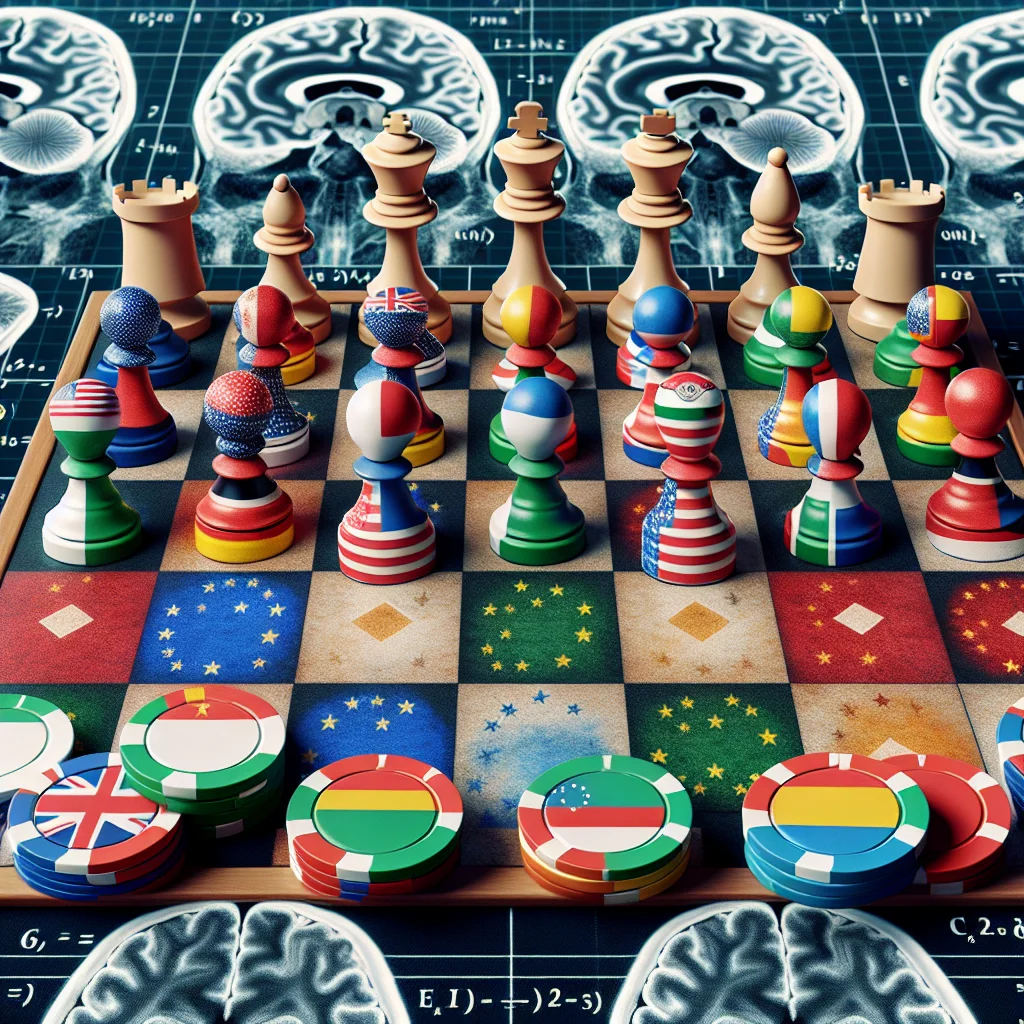
The contemporary high-stakes poker landscape is defined by the synthesis of these regional philosophies. The most successful modern players are hybrids. They possess the mathematical foundation of the European school, using solvers to understand GTO baselines. They apply the controlled aggression and initiative-seeking of the American style to pressure opponents. They exercise the patience and exploitative timing of the Asian approach, waiting for clear edges. And they may employ the dynamic, table-specific adjustments and psychological awareness seen in Latin American play. This synthesis is necessary because the global player pool has homogenized knowledge; a one-dimensional style is quickly exploited. The modern pro must be a chameleon, able to play a perfect, balanced strategy against other experts, but also shift into a ruthless, exploitative mode against weaker players. They use technology for analysis but rely on human intuition for final decisions at critical junctures. This era marks the end of clear-cut national styles and the beginning of a global, integrated strategic meta-game, where the winner is not the adherent of one school, but the most adept student of all of them, capable of fluidly moving between philosophical frameworks to solve the ever-shifting puzzle of the poker table.
About the Author