Risk Perception and Aversion: A Cultural Calculus
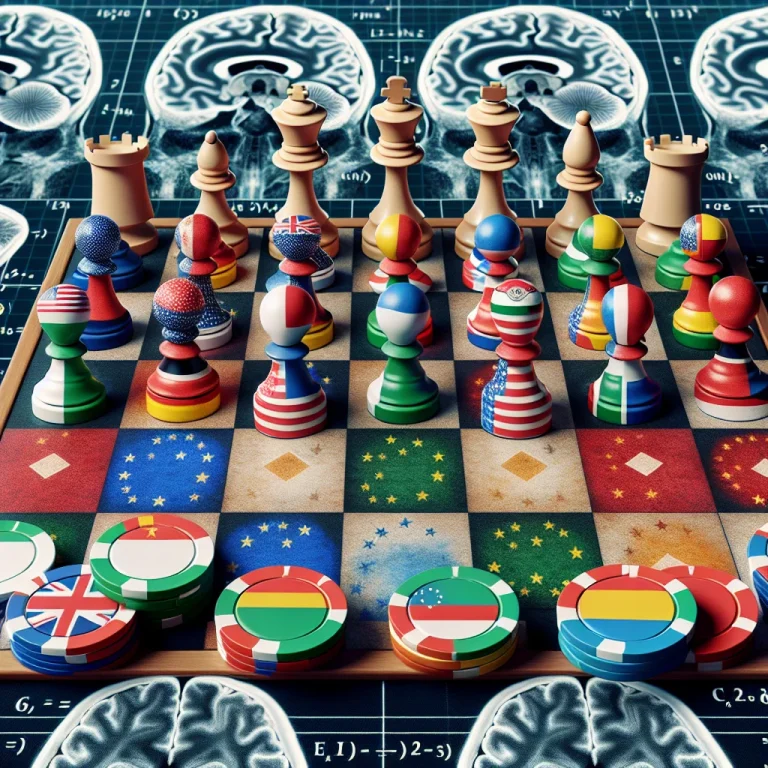
The fundamental act of betting in poker is a direct expression of risk psychology, which varies profoundly across cultures. Research in behavioral economics, such as the work of Geert Hofstede, identifies dimensions like “Uncertainty Avoidance” that map onto poker behavior. Players from cultures with high uncertainty avoidance (e.g., Japan, South Korea, many European nations) often exhibit a more cautious, calculated approach to risk. They tend to prefer situations with clear, mathematical edges and may fold marginal hands more frequently to avoid volatile outcomes. Conversely, players from cultures with lower uncertainty avoidance (e.g., the United States, Australia, parts of Latin America) often display a higher tolerance for ambiguity and variance. They are more willing to gamble in spots with less defined equity, seeing opportunity where others see danger. This isn’t merely about bravery; it’s a culturally ingrained calculus of loss versus potential gain. A player’s background influences their inherent “bankroll management” psychology, affecting everything from bet sizing to tournament life decisions. Understanding these deep-seated risk profiles is key to predicting opponent behavior, as a player’s cultural conditioning often overrides even their learned poker strategy in moments of high pressure.
The Concept of “Face” and Social Pressure in Decision-Making
In many Asian and collectivist societies, the concept of “face”—social standing, reputation, and dignity—exerts a powerful psychological influence at the poker table. The fear of losing face through a publicly bad decision or a humiliating bluff can lead to a more conservative, risk-averse style of play. Making a large, unsuccessful bluff isn’t just a loss of chips; it can feel like a loss of social status in front of peers. This pressure can cause players to tighten up in visible, high-pressure situations, such as final tables or televised matches. Conversely, the desire to “gain face” through a bold, successful maneuver can also motivate extraordinary plays. In contrast, in more individualistic Western cultures, the psychological pressure is often internally focused on personal competence rather than social judgment. A bad bluff might be seen as a strategic error to learn from, not a social failing. This difference shapes table dynamics. A player attuned to the psychology of “face” can exploit opponents by applying public pressure—through large bets or verbal challenges—knowing it triggers a deeper cultural anxiety beyond the immediate pot odds, adding a potent layer to the psychological warfare of the game.
Time Orientation: Patience vs. Immediate Gratification
Cultures vary dramatically in their time orientation, a psychological trait that directly translates to poker tempo and strategy. Cultures with a long-term orientation, such as those in East Asia influenced by Confucian and Buddhist traditions, cultivate a psychology of patience and delayed gratification. For players from these backgrounds, poker is a marathon. They are psychologically comfortable folding for hours, waiting for a clear, high-probability edge. Their decision-making is framed within the context of a long session or even a career, not the next hand. This fosters immense discipline and emotional resilience during downswings. On the other hand, cultures with a short-term orientation, often found in the Americas and parts of Europe, lean towards a psychology of action and immediate results. Players may experience greater frustration during card dead periods and feel a psychological urge to “make something happen,” leading to more speculative plays and creative bluffs to force immediate outcomes. This fundamental difference in temporal psychology creates a natural strategic clash: the patient, selective player often capitalizes on the impulsive, action-oriented mistakes of their opponent, turning a cultural mindset into a direct strategic advantage over the long run.
Expression and Emotional Control: The Display Rules of Tilt
The psychological management of emotion, particularly “tilt” (emotional frustration leading to poor play), is governed by cultural “display rules”—social norms about which emotions can be shown and how. In many Northern European and Asian cultures, stoicism and emotional reserve are valued. Players from these backgrounds are often masters of the “poker face” in the literal sense, showing minimal reaction to bad beats or big wins. This external calm is a cultural performance that often supports internal emotional control, making them harder to read and less prone to visibly exploitable tilt. In Mediterranean, Latin American, and some Southern European cultures, emotional expression is more accepted and integrated into social interaction. A player might loudly lament a bad beat, gesture dramatically, or celebrate a win. This is not necessarily a sign of being on tilt; it can be a cultural norm of emotional ventilation. However, it can blur the lines for opponents trying to read genuine frustration. The psychological challenge for the expressive player is to ensure the performance doesn’t fuel genuine, decision-impacting tilt. Understanding these cultural scripts for emotional expression is crucial for accurate hand-reading and for managing one’s own psychological state at an international table.
Individualism vs. Collectivism: The Solo Hunter and the Networked Player
The deep cultural dimension of individualism versus collectivism shapes a player’s fundamental self-concept and approach to the game. In highly individualistic cultures (e.g., U.S., U.K., Australia), the poker player is often viewed as a lone wolf, a solo hunter whose success is a testament to personal skill and mental fortitude. This psychology fosters self-reliance, a focus on personal decision-making theory, and a competitive drive to beat the individual across the table. In collectivist cultures (e.g., many in Asia, Latin America, Africa), the player’s identity may be more intertwined with a group—a staking syndicate, a training group, or a national community. Their psychology may include a stronger sense of playing for something beyond themselves, which can be a source of great pressure or immense strength. Decision-making might be more consultative, with hands discussed in group chats. This collectivist approach can accelerate learning through shared knowledge but may also dilute individual accountability. These mindsets influence everything from game selection (individualists may seek out tough heads-up challenges, collectivists may thrive in team events) to handling losses, with the collectivist potentially having a stronger support network to mitigate psychological downturn.
Cognitive Styles: Holistic vs. Analytical Processing
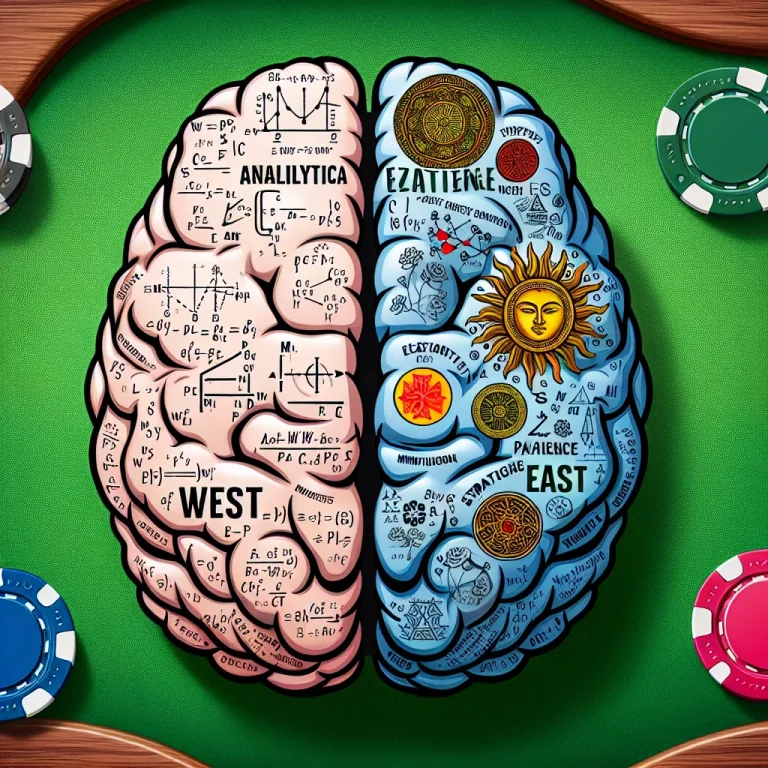
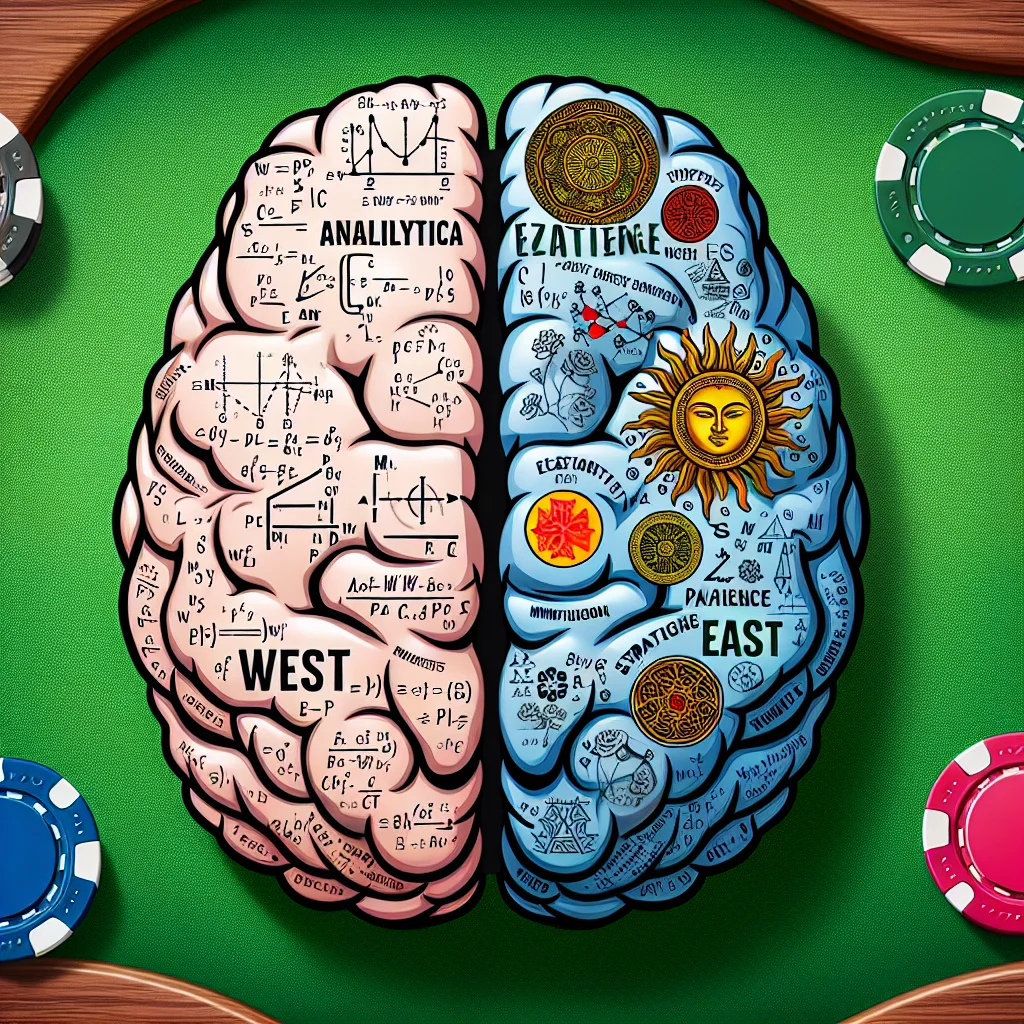
Cross-cultural psychology identifies differences in cognitive processing that directly affect poker strategy. Research suggests that East Asian cultures often employ a more holistic cognitive style, attending to the entire field and relationships between objects. In poker, this can translate to a superb ability to read table dynamics, understand the interconnectedness of each player’s actions, and sense shifts in momentum or “flow.” Their decisions may incorporate a wider array of contextual, sometimes intuitive, factors. Western cultures, particularly European and North American, often emphasize an analytic cognitive style, focusing on isolating objects, categorizing them, and applying formal logic. This fosters excellence in calculating precise pot odds, constructing hand ranges, and applying game theory. Each style has strengths and blind spots. The holistic player might occasionally overlook a precise mathematical edge in favor of a broader read, while the analytic player might miss a subtle shift in table atmosphere signaling a change in an opponent’s strategy. The most psychologically complete modern players are those who can integrate both cognitive modes—using analysis to form a baseline strategy while employing holistic awareness to make dynamic, context-sensitive adjustments, merging the best of both cultural psychological worlds to navigate the complex ecosystem of global poker.
About the Author