From Parlors to Public Houses: The European Class Divide
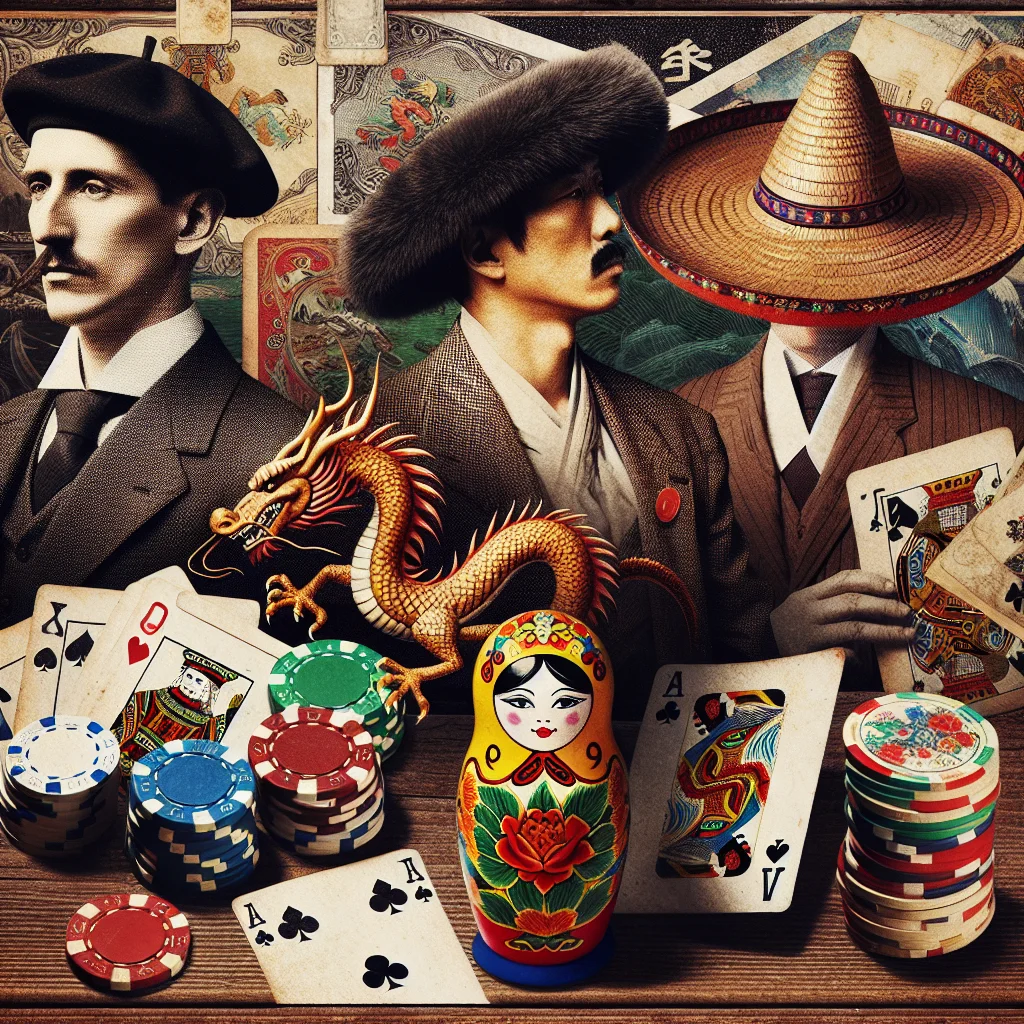
In Europe, poker’s adoption was sharply divided along class lines, creating two parallel histories. Among the aristocracy and upper classes in Britain and France, poker was a private club affair, a game of genteel sophistication and restrained wagering. London’s exclusive gentlemen’s clubs, such as the famous Crockford’s, hosted high-stakes games where etiquette was as important as the cards. This environment fostered a style of play emphasizing subtlety, patience, and psychological reads over brute aggression. Conversely, in the working-class pubs and taverns across the continent, poker was a raucous, communal activity. In Ireland, it blended with local betting culture, while in Germany, Pochen halls were lively social hubs. This dichotomy shaped Europe’s poker philosophy: a blend of intellectual rigor from the salons and unbridled, instinctive play from the public houses. The game’s legal status varied just as widely, from total prohibition in some Nordic countries to state-sponsored casinos in places like Baden-Baden, Germany, where Russian novelist Fyodor Dostoevsky was famously inspired to write “The Gambler” after his losses.
The Latin American Fuego: Passion and Bluff in the New World
South of the United States, poker encountered the fiery spirit of Latin America and was irrevocably changed. Arriving via trade routes and American expatriates, the game fused with local attitudes towards chance, fortune, and social interaction. In countries like Argentina, Brazil, and Mexico, poker became less a quiet test of wits and more a theatrical performance. The concept of “falta” or bluff was elevated to an art form, accompanied by elaborate table talk, dramatic gestures, and a palpable sense of camaraderie and rivalry. Games were social events, often lasting deep into the night, fueled by strong coffee and stronger spirits. This region also developed a unique affinity for specific variants; “Texas Hold’em” found a particular stronghold, but local twists often emerged, incorporating community cards or different betting structures. The Latin American pro’s style is often characterized by fearless, high-variance play and an unparalleled ability to manipulate the emotional tempo of a table, a direct reflection of the cultural importance of passion and personal expression.
Asia’s Strategic Assimilation: Confucianism Meets the Cards
The introduction of poker to East Asia presented a fascinating cultural negotiation. In societies with deep-rooted philosophical traditions like Confucianism and Taoism, which emphasize patience, strategic foresight, and reading subtle patterns, poker found surprisingly fertile ground. However, it had to overcome an initial stigma associated with gambling, which was often viewed as a destructive vice. The game’s rebranding as a “mind sport” or “strategic game” was crucial to its acceptance in countries like China, Japan, and South Korea. In Japan, where games like Go and Shogi are revered, poker was analyzed with similar depth, leading to a highly disciplined, mathematically precise approach. Chinese players, drawing from ancient texts like “The Art of War,” mastered the psychological warfare of poker, viewing the table as a battlefield. This synthesis created a formidable playing style: intensely studious, relentlessly aggressive when opportunity arises, and inscrutably calm. The explosion of poker in Macau and the Philippines served as catalysts, providing accessible venues where these culturally-honed strategies could be tested on the international stage.
The Commonwealth Connection: Poker Across the British Empire
The tentacles of the British Empire played an unexpected role in poker’s globalization. Where British colonists, soldiers, and administrators went, so too did their leisure activities, including card games. In nations like Australia, South Africa, India, and Canada, poker took root in the 19th and early 20th centuries, often blending with local card-playing traditions. Australia, with its gold rush and frontier mentality, developed a poker culture reminiscent of the American West, played in rough-hewn outback pubs. In South Africa, the game found a home in the mining towns of Johannesburg. India had a long history of card games, and poker was seamlessly incorporated into social gatherings, often played for smaller stakes but with immense fervor. Canada, geographically and culturally close to the U.S., became a steady producer of world-class talent. This Commonwealth network created early, informal international links in poker, long before the world tour era. Each of these nations would later contribute iconic players to the global scene, their styles a unique product of their hybrid cultural and historical contexts.
Iron Curtain and After: Poker in the Soviet Sphere
The story of poker in the Soviet Union and its Eastern Bloc satellites is a tale of forbidden fascination. Officially condemned by Communist regimes as a decadent capitalist diversion, poker was driven underground. It became a secretive pastime in private apartments, a subtle act of rebellion and intellectual escape. The very illegality of the game shaped its development; without access to Western literature or theory, players developed their own systems through raw practice and logical deduction, leading to highly original and unpredictable strategies. The fall of the Iron Curtain unleashed this pent-up poker energy onto the world. Players from Russia, Ukraine, Poland, and the Baltic states, hardened by years of clandestine play, emerged as some of the most formidable and aggressive competitors in the late 1990s and 2000s. Their style was often marked by relentless pressure, a willingness to embrace extreme variance, and a profound understanding of table dynamics born from playing in high-trust, high-risk home games. This “Eastern Bloc style” permanently altered the meta-game of international poker, introducing a level of sheer tactical intensity that the Western world had to rapidly learn to counter.
Modern Synthesis and the Global Meta-Game
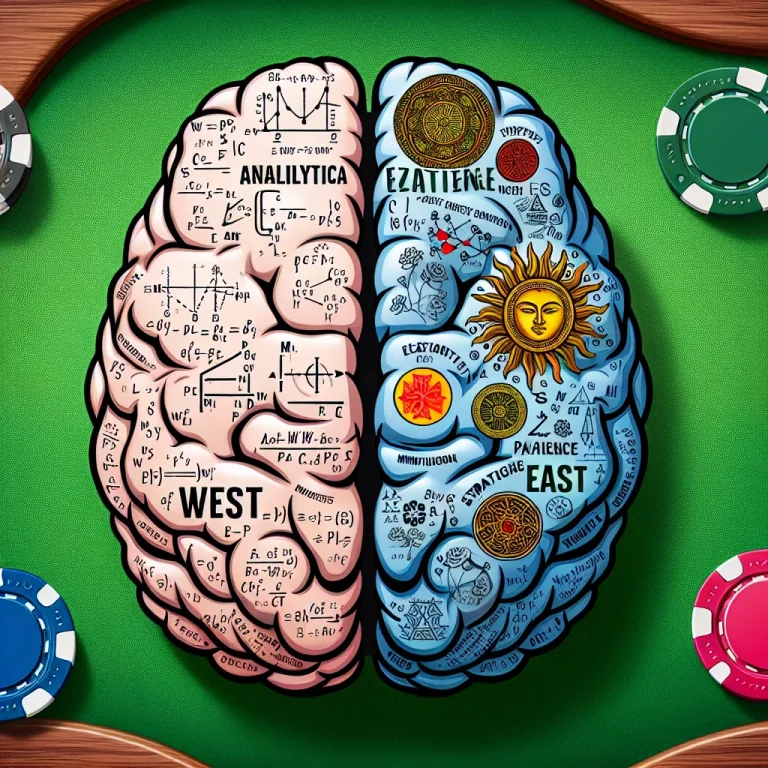
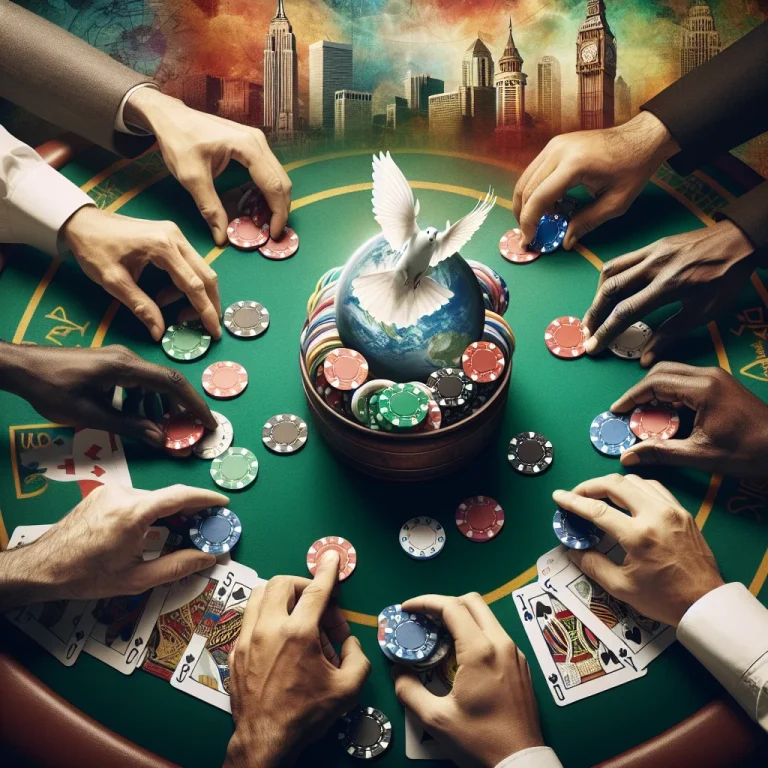
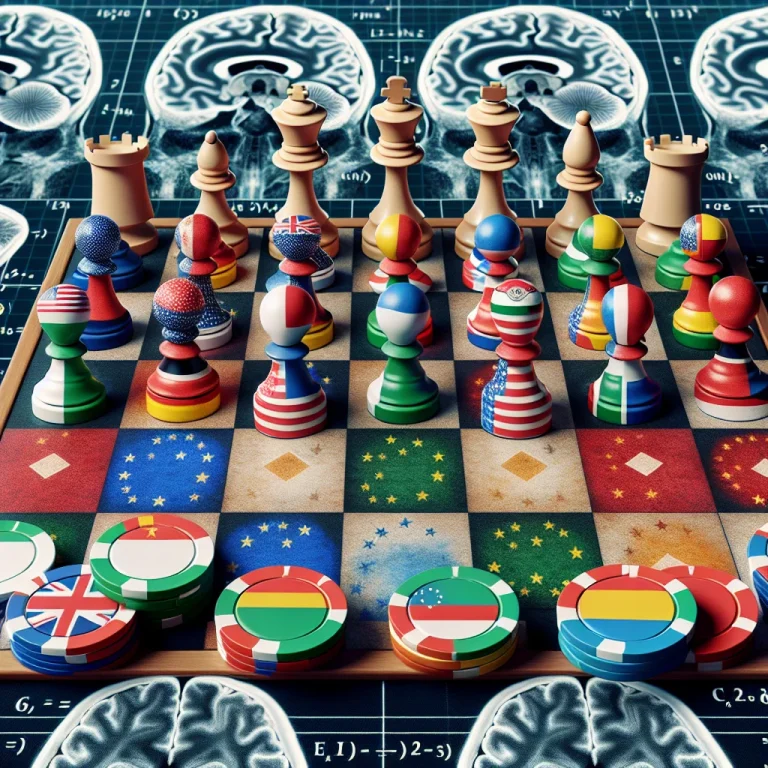
Today, poker exists in a state of continuous global synthesis. The distinct cultural styles that developed in isolation are now in constant dialogue at international tournament tables and online lobbies. The tight, mathematical approach of the Northern Europeans collides with the passionate, bluff-heavy style of the Latin Americans. The disciplined, strategic aggression of Asian pros faces off against the creative, unpredictable play of the Eastern Europeans. This melting pot has given rise to a truly global “meta-game” – a shared, evolving understanding of optimal strategy that nonetheless allows for individual cultural expression. The modern champion is often a hybrid, able to adapt their style based on opponent profiling. Furthermore, local legal landscapes continue to steer the game’s growth; regulated markets in Europe foster a professional, sport-like environment, while ambiguous laws in other regions can lead to boom-and-bust cycles. From its fragmented origins, poker has become a universal language, yet one where the accent of a player’s homeland is still distinctly audible in every bet, call, and fold, telling the ongoing story of its worldwide journey.
About the Author