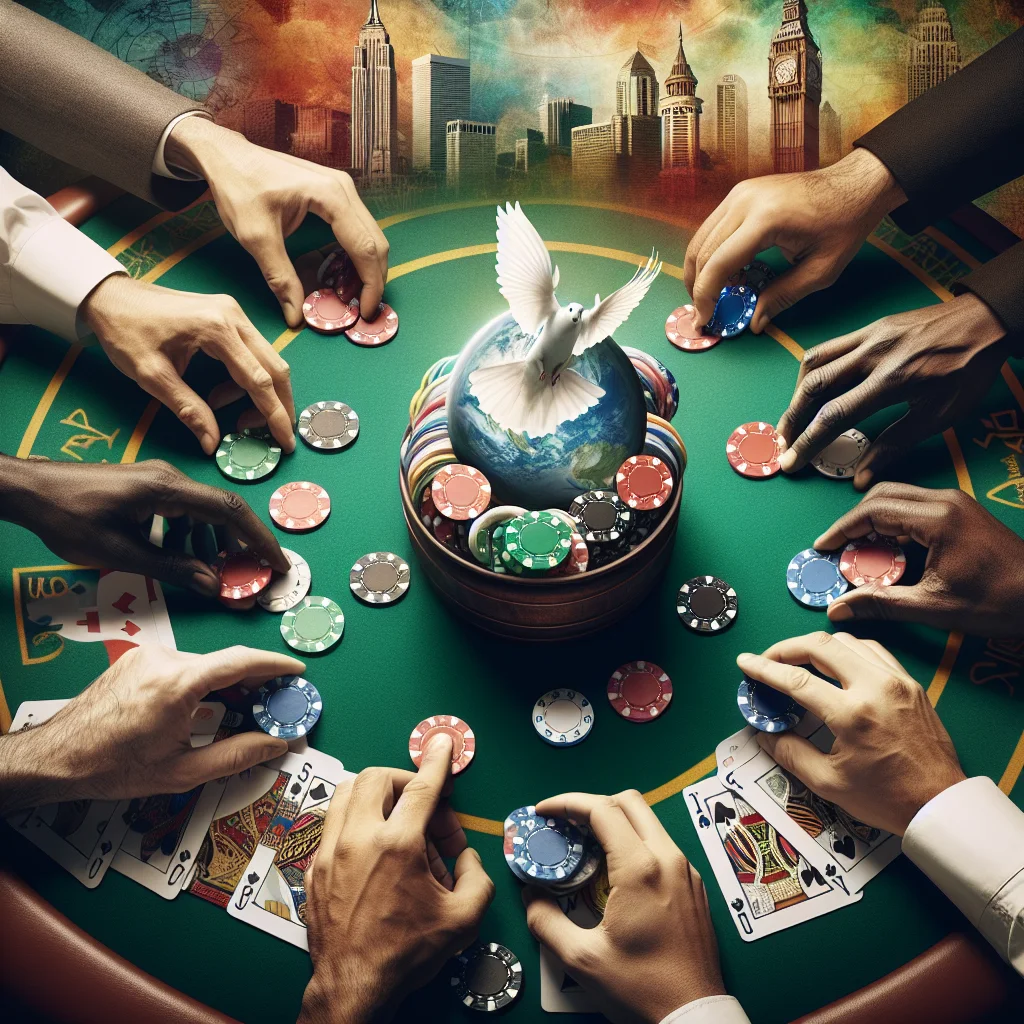
Cold War Card Tables: Poker in the Shadow of the Iron Curtain
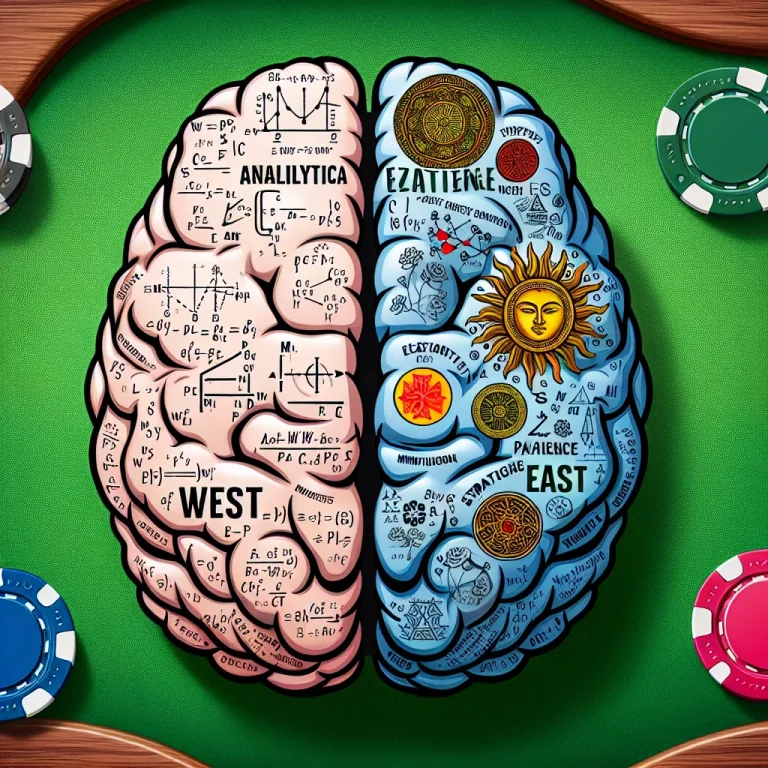
During the tense decades of the Cold War, the poker table became an unlikely neutral ground for informal diplomacy and cultural observation. In the embassies and expatriate clubs of divided cities like Berlin, Vienna, and Moscow, diplomats, journalists, and intelligence officers from opposing blocs would often meet over cards. These games were more than leisure; they were arenas for subtle psychological profiling and building fragile, human connections outside official channels. American and British players encountered the stoic, analytical style of their Soviet counterparts, a reflection of a different educational and social system. The very act of playing a Western game in an Eastern Bloc country, or hosting Soviet officials for a game in the West, was a small act of cultural exchange. Poker, with its universal language of bets and bluffs, provided a structured social interaction where ideologies could be momentarily set aside. Stories emerged of KGB agents and CIA officers reading each other’s tells, not for state secrets, but for pot odds. These encounters, though minor, helped humanize the “enemy” and demonstrated that beneath the geopolitical strife, shared human instincts for competition, risk, and calculation thrived, planting early seeds for people-to-people understanding.
The World Series of Poker: Las Vegas as the Global Grand Central
The transformation of the World Series of Poker (WSOP) from a domestic American event into a truly global gathering is a masterclass in cultural exchange through sport. What began in 1970 as a meeting of a few dozen Texan and Nevadan gamblers now attracts tens of thousands of players from over 100 nations to Las Vegas each summer. The WSOP became the United Nations of poker. In the hallways of the Rio or the tables of the Horseshoe, a dentist from Norway discusses hand histories with a farmer from Australia, a software developer from India shares strategy with a student from Peru, and a retiree from Florida learns a new variant from a pro from Ukraine. This constant, unstructured interaction fosters a unique global subculture with its own norms, slang, and camaraderie. The shared pursuit of a bracelet creates instant common ground. Players exchange not just chips, but contact information, cultural anecdotes, and invitations to play in their home countries. The WSOP circuit has effectively created a transnational tribe, bound by a common passion, where national rivalries are expressed through friendly competition on the felt, building a vast network of personal connections that span the globe.
Online Poker: The Digital Global Village
The advent of online poker constructed the first truly instantaneous, mass-scale cross-cultural poker exchange. A player in Tokyo could be simultaneously in a pot with opponents from Reykjavik, São Paulo, and Cape Town. This digital proximity forced an immediate, if virtual, cultural collision. Chat boxes became mini United Nations forums, often filled with friendly banter, language barriers broken by emojis and poker terms, and occasional misunderstandings. More importantly, it led to the rapid cross-pollination of playing styles. A European player’s tight-aggressive approach could be studied and adopted by an Asian player within weeks, not years. Online forums and training sites became global think tanks where strategies were deconstructed without regard for nationality. This environment bred a generation of “global citizens” of poker, whose identity was tied more to their screen name and online community than their passport. The digital table became a great equalizer, where prejudice based on appearance or accent was eliminated, and merit was judged solely by the quality of decisions. This daily, routine interaction with a diverse international player base normalized global connection and fostered a sense of belonging to a worldwide community.
Poker Tourism: Cultural Immersion Through the Game
The rise of poker tourism has turned the game into a vehicle for deep, immersive cultural exchange. Players no longer just travel to Las Vegas; they journey to poker festivals in Rozvadov (Czech Republic), Manila (Philippines), Monte Carlo (Monaco), or King’s Resort (Slovenia). These trips are dual-purpose: to compete and to experience a new culture. Players stay in local accommodations, eat regional cuisine, and interact with residents outside the casino. A poker tournament becomes the anchor for a broader cultural experience. Furthermore, local players get exposed to a flood of international visitors, sharing their city and their card room culture. In destinations like Macau or the Bahamas, the poker event is a major point of contact between the local service economy and a wealthy, international clientele. This exchange goes both ways; international pros learn local customs and gaming laws, while local operators adapt to global expectations for tournament structures and player comfort. Poker tourism transforms the game from a passive cultural import/export into an active, economic driver of cross-cultural interaction, where understanding your opponent’s background can be as strategically valuable as understanding their betting patterns.
Language of Tells: The Non-Verbal Cross-Cultural Dialogue
One of the most fascinating aspects of poker as cross-cultural exchange is the study and misinterpretation of physical tells across different cultures. A gesture or mannerism that signifies strength in one culture might indicate weakness in another. Early encounters between Western and Asian players were rife with such misreads. The Western expectation of eye contact as a sign of confidence clashes with some Asian cultural norms where prolonged eye contact can be considered disrespectful or aggressive. The expressive, gesticulating style of a Mediterranean player might be misread as bluffing by a reserved Scandinavian. Over time, through repeated exposure at international events, players have developed a more nuanced, culturally-aware understanding of tells. They learn to calibrate their reads based on an opponent’s background. This process forces players to become amateur cultural anthropologists, studying not just cards, but human behavior in a global context. The table becomes a laboratory for observing cultural differences in stress response, emotional expression, and strategic deception. This non-verbal dialogue, though aimed at gaining a competitive edge, inherently promotes a deeper, if pragmatic, understanding of human diversity.
Charity and Fellowship: Poker’s Humanitarian Face
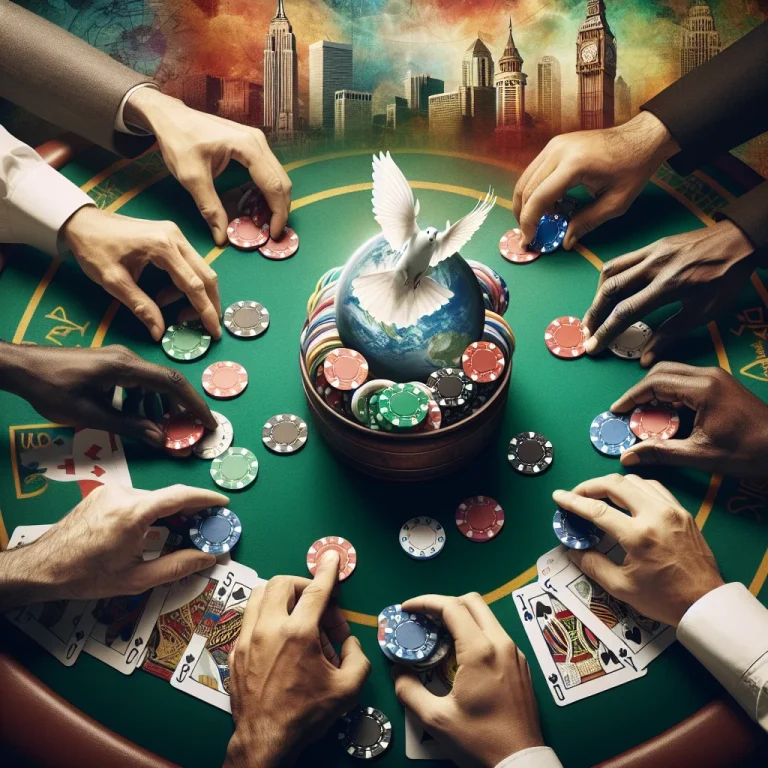
Beyond competition, poker has fostered cross-cultural exchange through charity initiatives and professional fellowship. High-profile charity poker tournaments, like those supporting refugee causes, disaster relief, or medical research, regularly bring together celebrities, business leaders, and pros from around the world for a common cause. These events leverage the social and networking aspects of poker to raise funds and awareness across borders. Similarly, professional organizations and player unions, though often informal, create bonds of solidarity that transcend nationality. Players from countries with political tensions have been known to share strategies and even bankroll each other, united by their profession. The “poker community” often rallies around players in need, regardless of where they are from. This aspect of poker highlights its potential as a tool for soft diplomacy and humanitarian connection. It demonstrates that the same skills used to read an opponent—empathy, understanding, and risk assessment—can be channeled towards cooperative, altruistic goals, using the global network that the game itself built to make a positive impact, proving that the exchange fostered by poker can extend far beyond the felt.
About the Author